



Glass & Ceramics Coatings
Hydrophobic & hydrophilic, alcohol- and water-based
Products
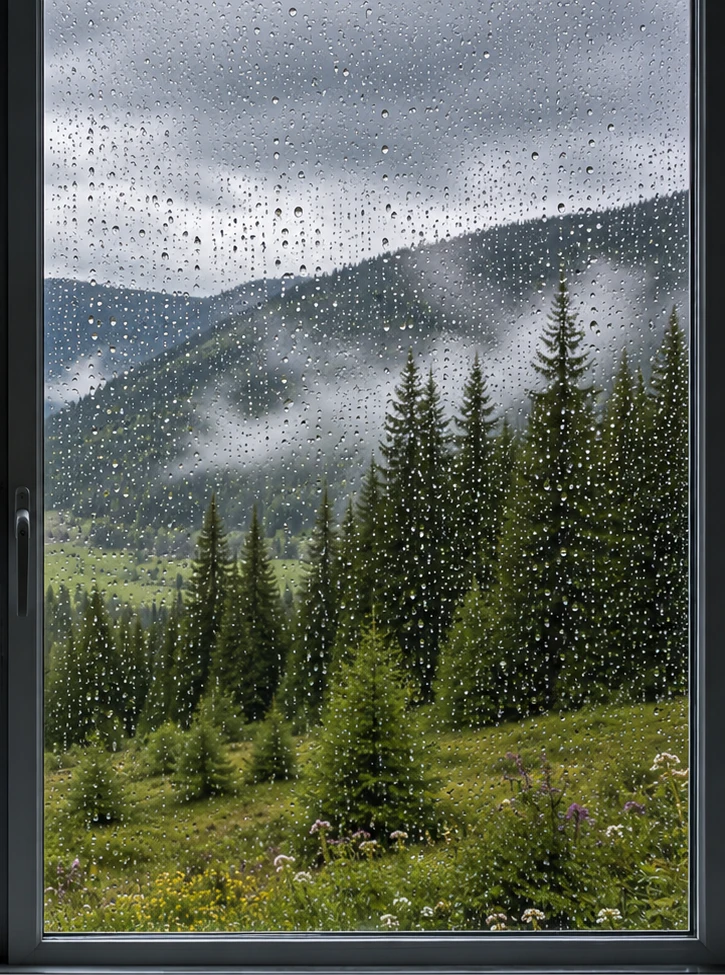
7601 Super Glass (& 7608 Concentrate) and 6601 Easy Care are high-quality SiO₂-based coatings designed for long-lasting, invisible protection of glass and ceramic surfaces. They provide reliable protection, make cleaning easier, and ensure a flawless appearance.
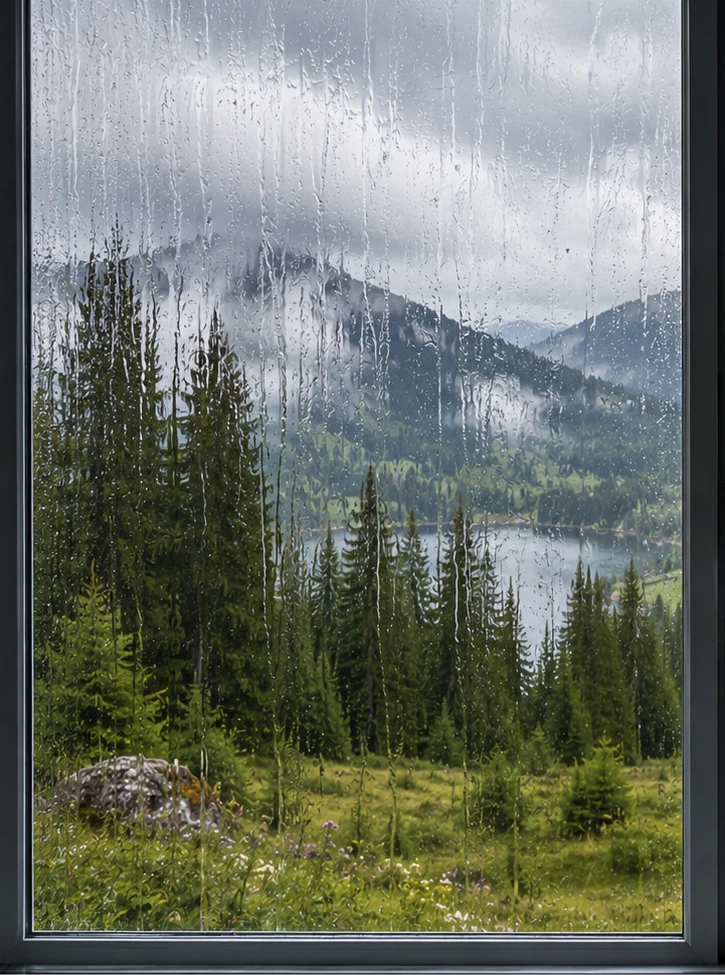
7603 Glass 5M Hydro is an advanced water-based nano titanium dioxide coating designed to create self-cleaning and superhydrophilic surfaces on glass, solar panels and other smooth, non-porous materials.
Technology
Hydrophobic or hydrophilic + photocatalytic?
Both technologies are designed to keep surfaces cleaner for longer, but they work in very different ways and are intended for different applications.
Hydrophobic coatings – Water-repellent
Hydrophobic coatings cause water to form droplets that bead up and roll quickly off the surface. As the droplets move, they can pick up loose dirt and contaminants. This makes hydrophobic coatings ideal for applications where rapid water runoff is required, such as:
- Vehicle windscreens
- Shower screens
- Bathroom surfaces
- Sanitary ceramics
The familiar "lotus effect" is a typical example of hydrophobic performance.
Hydrophilic + photocatalytic coatings – self-cleaning
Hydrophilic coatings work differently. Instead of forming droplets, water spreads into a thin, continuous film across the surface. During rain, this water film flows evenly over the entire area, helping to wash away dust, dirt and pollutants without leaving water spots or streaks. For large exterior glass surfaces, this often provides a more effective long-term self-cleaning effect than water beading. Hydrophilic coatings are particularly suitable for:
- Architectural glass
- Glass façades
- Conservatories
- Skylights
- Solar panels
- Ceramic and mineral surfaces
Why Photocatalysis Matters
CCM's hydrophilic coatings combine water-sheeting technology with photocatalytic activity.
When exposed to daylight, the photocatalytic surface generates highly reactive oxidative energy that helps break down organic contamination such as airborne pollutants, oils and biological residues.
Rainwater can then remove these loosened contaminants more effectively.
Which technology is best
Hydrophobic coatings are often the ideal solution for applications such as vehicle windscreens, shower screens, and sanitary surfaces, where rapid water runoff is desired.
For building windows, glass façades, and high-rise structures, however, hydrophilic photocatalytic coatings can offer significant advantages.
On hydrophobic surfaces, dew, condensation, or high humidity can create thousands of tiny water droplets. Dust and airborne pollutants settle on these droplets, and once the water evaporates, visible residues, water spots, or so-called “dust spots” may remain on the glass surface. Hydrophilic surfaces behave differently. Instead of forming individual droplets, water spreads into a thin, continuous film across the entire surface. This water film washes away dust and contaminants more evenly, significantly reducing the formation of spots, streaks, and visible deposits.
This is particularly important for high-rise buildings and large glass façades, where exterior cleaning is often difficult, expensive, or even impossible. Any visible residues left behind on hydrophobic surfaces may remain for extended periods and negatively affect the appearance of the building.
Hydrophilic coatings help minimise this effect and provide a cleaner, more uniform appearance over time. When combined with photocatalytically active titanium dioxide (TiO₂), hydrophilic coatings offer an additional benefit: organic contaminants are continuously broken down by daylight and can be removed more easily by rainwater.
This is why many modern self-cleaning architectural glass systems rely on hydrophilic and photocatalytic technologies—particularly for glass façades, windows, conservatories, skylights, and solar panels.